
Client review · Services
“The leads speak for themselves”
A service business owner on what changed after SERP Squad took over.
5★client rating
Top 3map rankings
0lock-in contracts
 For AgenciesWe run SEO fulfillment under your brand, clients stay yours, hassle stays ours.Explore White Label SEO →
Shoppers check before they drive: open now, in stock near me, store reviews. Our retail SEO wins those micro-moments with inventory-aware visibility and store pages built to turn searches into door swings.
Industry insight
Local retail search is a chain of quick checks:
Store-category near-me searches convert to same-day visits at the highest rates in local search. Winning them is winning foot traffic directly.
Shoppers verify availability before driving. Product and category visibility, from profile posts to local inventory feeds, answers the pre-drive check.
Hours accuracy, photos, and review responses on your Google profile are seen by more shoppers than your front window.
Results our clients receive
Four outcomes every store campaign is judged by, in real client screenshots from Google Business Profile.
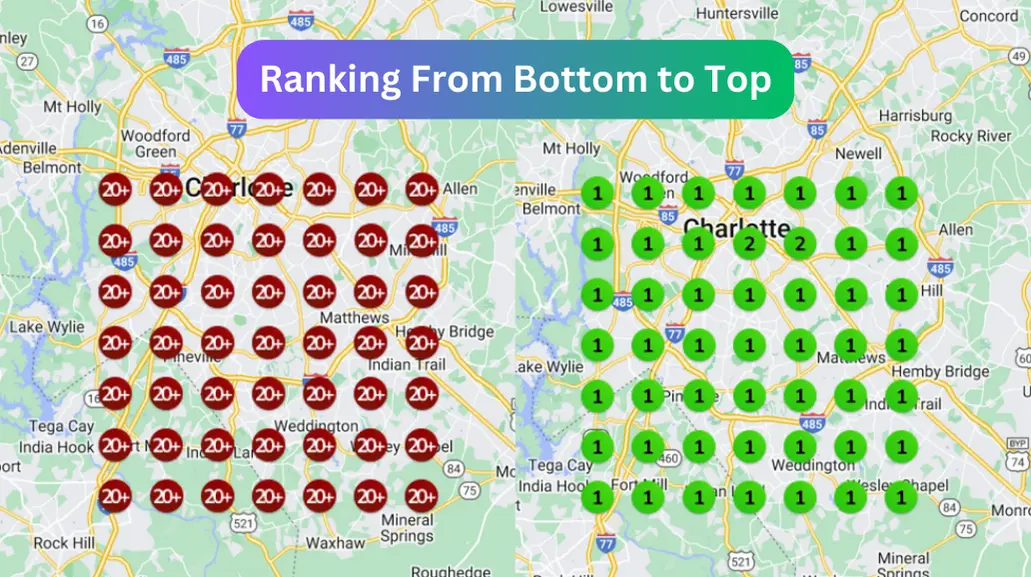
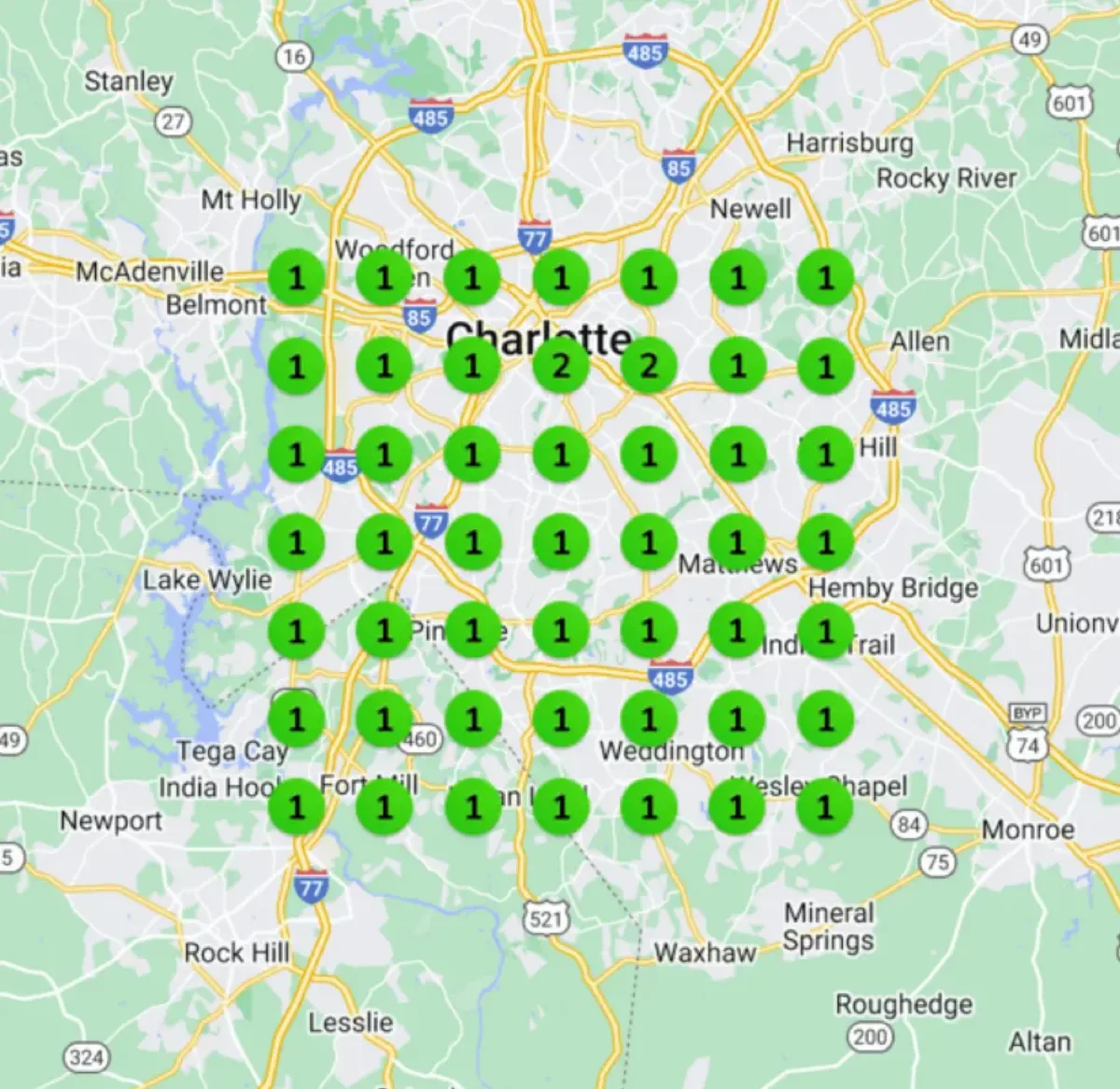
Shoppers check the map for stock, hours and distance before every trip. The geo-grid shows your store visible across your trade area.
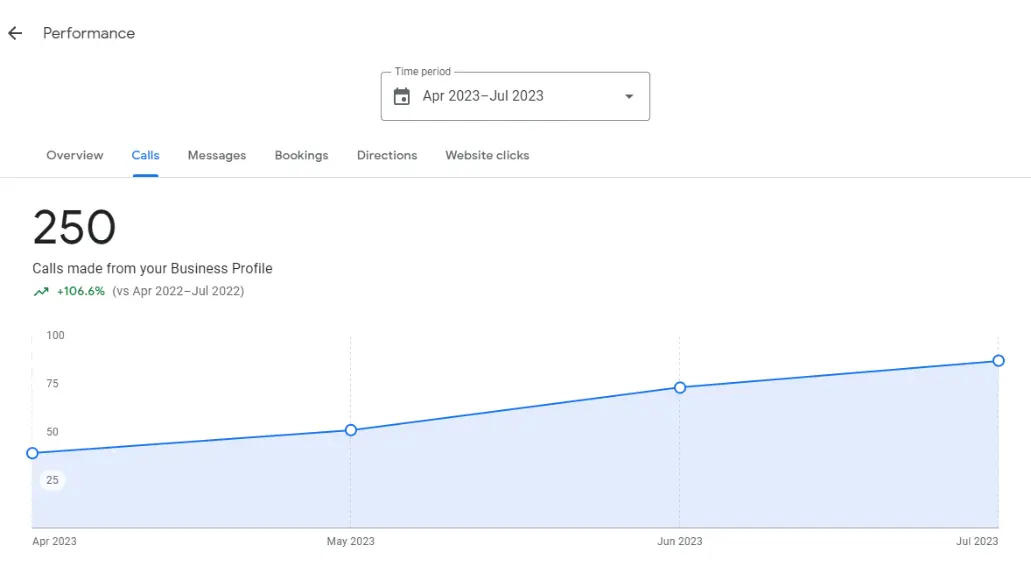
Retail leads call to check stock and hold items. Visibility turns into those calls, tracked in your own profile.
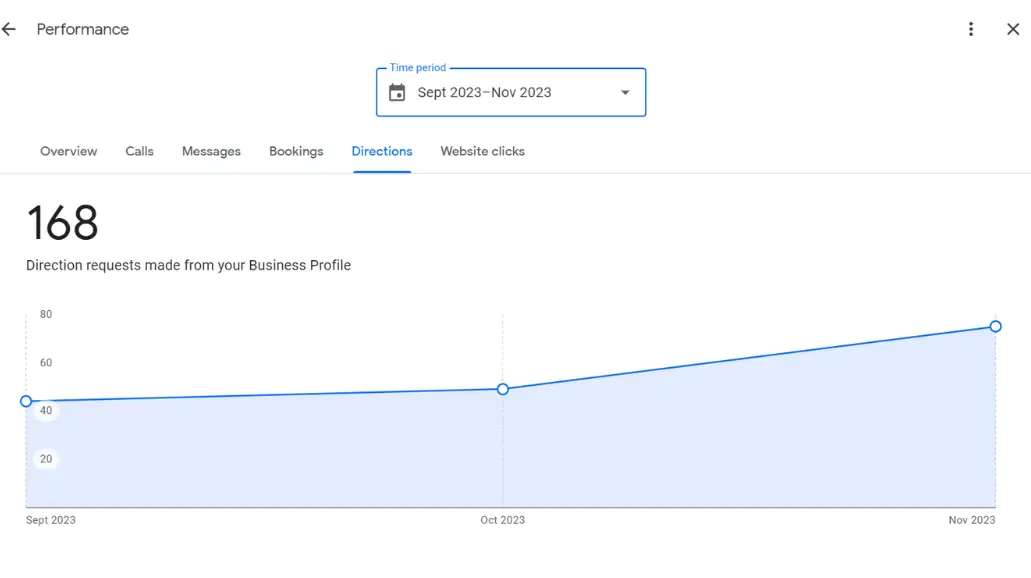
Direction taps are shoppers en route. Google counts them month over month as your presence compounds.
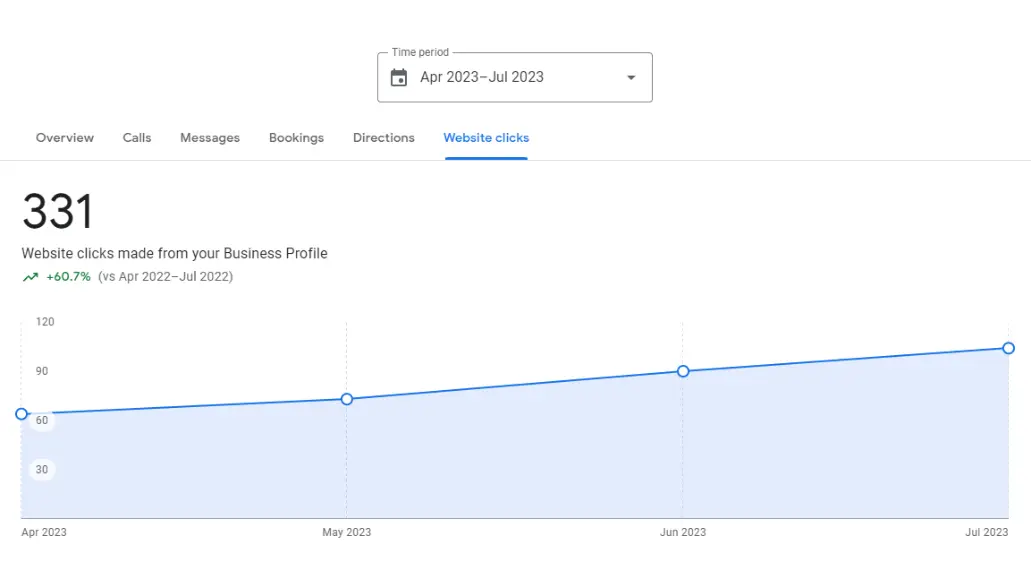
Profile clicks land on product pages, where local stock visibility feeds click-and-collect and online orders.
Real Google Business Profile performance screenshots from SERP Squad client campaigns.
Exact-match keywords
Example keywords from footwear retail. Your audit maps the exact set for your store type. Every keyword also gets city and near me variants for your service area.
The playbook
Open each step for the retail detail. This is the same order we run it in.
Hours, categories, photos, posts and Q&A managed like the window display it is.
Category and bestseller visibility through profile posts and local inventory features, meeting the pre-drive verification.
Location pages with parking, pickup and department clarity, everything the almost-visitor checks last.
Season, holiday and sale-moment content published ahead of every shopping wave.
Direction requests and store-page conversions monthly, the closest proxy to door swings.
Delivered monthly for your store, reported in plain English:
How we work, step by step
Nine fronts for a store, local inventory and profile activity feeding foot traffic:
Every search shoppers make when they need a store gets mapped and sized: "[what you sell] near me" and product searches with local intent. We analyze which competitors hold each one, so your campaign attacks the winnable retail keywords first.
Your site gets structured around how shoppers choose: fast pages, clear calls to action, and dedicated category and product pages tied to live stock, so every high-value retail search has a page built to win it.
Your profile is managed weekly with the right categories, categories right, stock and hours accurate, storefront photos, reviews answered. In retail, the map pack is where the call happens, so this never goes on autopilot.

Fresh content around what shoppers actually ask: buying guides and local product content that catches research. Older pages get refreshed so your rankings compound instead of decaying.
Bing Places, Apple Business Connect and Yelp claimed, completed and watched for rogue edits, where shoppers check who has it in stock, and they feed the AI assistants answering retail questions.


Consistent name, address and phone details built across the retail and local directories your trade area uses, the trust layer Google checks before ranking any retail business in the map.
Profiles kept active with new-stock posts and stories that drive slow-day footfall, because shoppers check social proof before they call, and AI agents read it too.


Product demos and store tours published on YouTube, where they rank for retail searches in their own right, convert undecided shoppers and feed the answers AI gives about your business.

Authority earned the way Google allows: press releases, guest posts on local media and lifestyle publications, and foundation links, so your retail rankings compound without penalty risk.
Behavior figures from published consumer search studies; ranges from retail marketing surveys.
Proof, not promises
Commerce clients on camera, traffic converted. More on our reviews and case studies page and YouTube channel.
A service business owner on what changed after SERP Squad took over.

A Shopify store went from page 3 to category leader with technical and content SEO.
★★★★★“Finally a team that reports on leads, not just rankings.”
Transparent reporting
Store visits and attributed sales, one report:
Map and product-search visibility for what you stock, per location.
Direction requests, calls and attributed sales from search, monthly.
Product content, profile posts, reviews and listing updates this month.
What works now
Shoppers check stock, hours and distance before every trip. These six channels decide which store they choose, and your campaign works them together.
Product and category pages ranking for local shopping searches bring buyers who checked you have it before they left home.
Desktop comparison shoppers and gift buyers search on Bing, which feeds Copilot. A tuned Bing Places listing captures that quiet traffic.
Shoppers out and about search from iPhones, where Apple Maps is the default. Apple Business Connect keeps your store on their in-hand map.


Shoppers ask AI who stocks a specific item nearby. Structured product data and consistent listings get your store named in the answer.
Your feed is your window display now. New-stock posts and stories convert followers into foot traffic on slow afternoons.
Product demos and store-tour videos rank in video search, pull shoppers from beyond your street and feed AI answers about where to buy locally.
Every one of these channels is part of our SEO services; your free audit shows which will move first for your store.
Honest comparisons
Every owner weighs SEO against the platforms knocking on their door. The honest comparison for your industry:
Selling only through marketplaces makes your store a warehouse for someone else's brand. Local shopping visibility brings the neighborhood back through your own door.
Ads buy store visits today and stop when the budget stops. SEO earns positions that keep producing after the spend ends. Run ads for the ramp-up, keep SEO as the foundation.
GEO, being recommended by ChatGPT and AI Overviews when shoppers ask who stocks an item nearby, is not a separate product. AI assistants read the same profile, citations, reviews and structured data your campaign builds. Inventory data feeds both.
Service areas
Retail demand differs by market, so your store campaign is tuned per location. See every market on our service locations page.
A different pricing model
Every campaign on this page can be run on pay for Google search ranking where the numbers support it. You pay per qualified lead, or a percentage of the work those leads turn into, counted from call tracking and form attribution in accounts registered to you.
Buyer beware
Retailers get sold traffic that never crosses the threshold. The patterns behind empty analytics dashboards:
The most common scam is the simplest: a retainer collected every month with no work log and no report. If an agency cannot show you exactly what was done in the last 30 days, the honest answer is usually nothing.
Some agencies register your domain, own your hosting and keep your logins, then the site vanishes if you stop paying. Your domain, website and Google Business Profile must be owned by you, always.
Hundreds of auto-generated blog posts feel like activity, but unedited AI content nobody reads produces no leads and can drag the whole site down. Volume is not a strategy; content only counts when it answers real searches.
Nobody controls Google's results, and Google itself says ranking guarantees are the mark of a scam. Real agencies show evidence and timelines; fake ones sell certainty they cannot deliver.
A 12-month contract exists so an agency gets paid whether it performs or not. If the results were real, the contract would not need to trap you, which is why we do not use one.
Thousand-link packages from link farms and PBNs look like progress until Google catches the network, and it is your site that takes the manual action. Recovering costs more than the links ever did.
Ask any agency, us included, for three things before you pay: a sample monthly report, written confirmation that you own your domain, website, hosting and Google Business Profile, and the work log from a current client's last 30 days. We show all three in your free audit call, plus reviews you can verify on Google and Trustpilot. An agency that hesitates on any of them has answered your question.
Written for your industry
Guides, answered questions, case studies and updates written specifically for your industry, not general SEO advice.
Several 1-stars in hours from new accounts is a pattern Google can act on if you show it. How to record accounts, timing and wording in one report.
Only when customers deal with it as its own place. A department that has its own entrance or counter, its own phone line, its own hours and a category different from the main…
Free local listings show in-stock products to nearby shoppers. What a small store needs to set them up: a store, prices and inventory data, or a hosted page.
One shop with a small range that rarely changes can add products straight to its Google Business Profile, for free and without any feed. Use Merchant Center once you have a second…
Products can sit in Pending or attach to a Shopify feed you never used, then vanish. The fix that worked for shop owners, and why support disagrees on it.
Only after free local listings are running cleanly and your stock data is accurate every day. Local inventory ads use the same store, price and in-store inventory feeds as the free…
Google won't say what triggered a misrepresentation suspension, so the audit is on you. The order I check contact details, policies, prices and checkout.
Merchant Center and your Business Profile don't sync on their own. Why Add Store shows zero, how to link them, and what to do when in-store stays hidden.
Usually not. Google treats reviews as a record of customers' experiences at the business, so reviews describing a previous owner's staff, prices or policies normally stay after a…
Pricing depends on your market's competition and the scope of work, so we quote per business rather than from a package chart. Your free audit includes an exact quote, and we never use lock-in contracts.
For the today-shopper, yes: touch-it, try-it and have-it-now demand is structurally local. We win the searches where immediacy beats shipping.
Usually the profile: wrong hours, thin photos and unanswered reviews quietly turn away shoppers who never mention it. The audit checks this first.
No. We take one store per service area, because we cannot honestly rank two competitors for the same searches. Your free audit tells you immediately if your market is open.
The basics, yes, and our audit shows you them. But profile management, citations, content and review handling are weekly work, and most owners cannot sustain it on the floor. What you are buying is consistent execution, not secrets.
Yes, that is local inventory. "See what's in store" feeds put your live stock into search results, the most retail-specific Google surface there is, and we set it up alongside your store and category rankings.
Fresh from the desk
What we publish between campaigns. Worth a read if you want to understand how this work actually gets done before you pay anyone to do it.
Your free audit compares your visibility, content and reviews against the competitors taking your customers, and names the fastest fixes with honest pricing.
