
Client review · Services
“The leads speak for themselves”
A service business owner on what changed after SERP Squad took over.
5★client rating
Top 3map rankings
0lock-in contracts
 For AgenciesWe run SEO fulfillment under your brand, clients stay yours, hassle stays ours.Explore White Label SEO →
Google Ads reaches people at the exact moment of need, which is why it is powerful and expensive. We run Search, Local Services Ads and Performance Max with the discipline that separates lead engines from budget leaks.
Why businesses hire Google Ads management
The audit findings we see most, in order of cost:
Broad match quietly funds irrelevant searches. Weekly term reviews and negative lists reclaim that budget for buyers.
Local Services Ads reward responsiveness and review velocity. Managed properly they deliver the cheapest local leads on Google.
Accounts optimizing toward form spam or page views scale the wrong thing. Call tracking and clean goals come first.
Every layer of the account, owned:
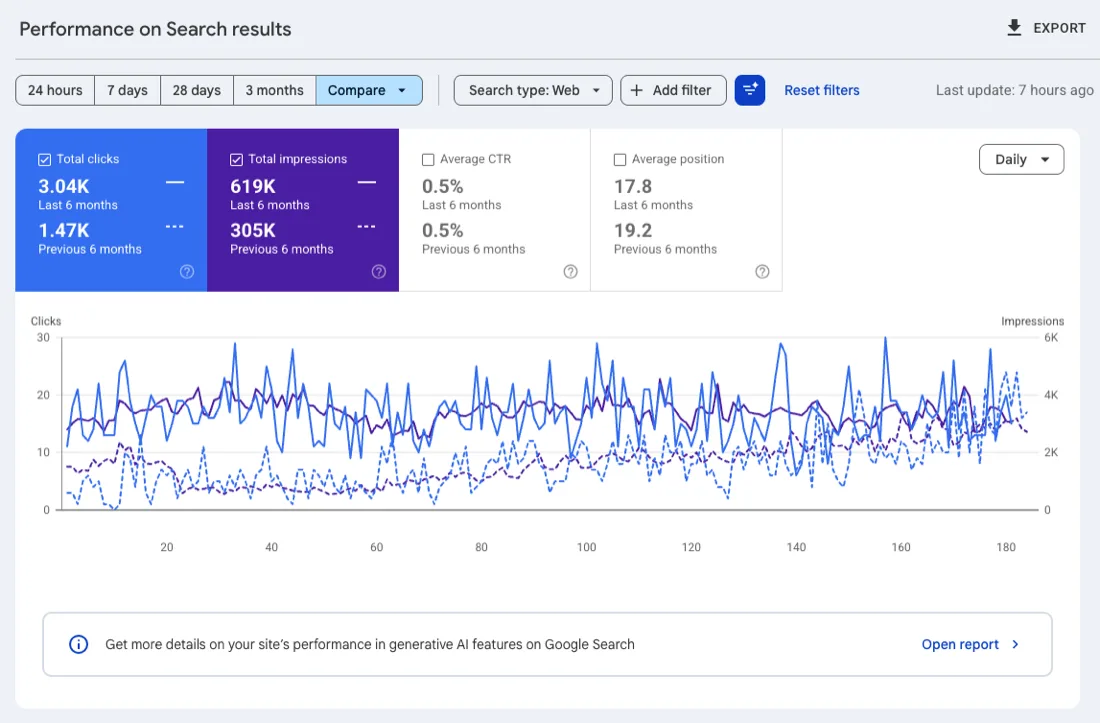
Proof, not promises
Clients running the full stack. See the rest on our client results page and YouTube channel.
A service business owner on what changed after SERP Squad took over.
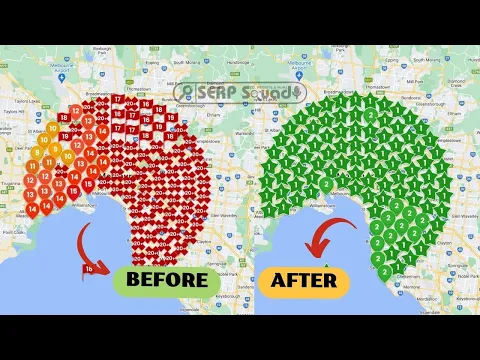
An appliance repair company went from invisible to ranking across its whole service area.
★★★★★“From invisible to fully booked in one season.”
The first 90 days
Discipline installed in order of leak size:
Tracking corrected, search terms audited, negatives installed, LSA profile tuned for responsiveness.
Campaign structure rebuilt, landing pages matched to intent, brand protected.
Cost per lead established per campaign, budget shifted to winners, PMax gated on clean data.
Search terms reviewed weekly forever, because that discipline is the product.
Inside the account
Most agencies describe Google Ads in outcomes. These are the controls behind them, so you can ask any vendor the same questions and compare the answers.
Exact match, phrase match and broad match decide how far Google is allowed to interpret a search. We read the search terms report every week and push waste into a negative keyword list, because broad match without negatives is how budgets disappear into searches nobody meant to buy.
Ad Rank decides who shows and in what order, and Quality Score feeds it from three inputs: expected click-through rate, ad relevance and landing page experience. Lifting those lowers your cost per click for the same position, which is why landing pages are part of ads work rather than a separate project.
Target CPA and target ROAS, the target return on ad spend, only work once conversion actions are counted properly. Until then, manual and maximise-clicks strategies keep control with you. Budget pacing gets checked so a campaign does not spend its month in nine days.
Impression share tells you how much of the available demand you are actually reaching, and whether you are losing it to budget or to rank. It is the number that says plainly whether more spend would help or whether the account needs fixing first. Where a Display campaign is running, it is also where click fraud shows up as impressions that never behave like people.
A Search campaign, a Shopping campaign, a Display campaign and Demand Gen each buy attention differently, and mixing their reporting hides which one worked. Performance Max runs on asset groups and audience signals rather than keywords, so the inputs have to be built deliberately. Remarketing and retargeting lists get separated from cold traffic, because mixing them makes every cost per acquisition figure meaningless.
Ad extensions add the call button, the location and the service links that make a small budget look like a real business. Conversion actions are defined once, correctly, so a form fill and a phone call are not counted three times between Google Ads, GA4 and the call tracking.
Transparent reporting
Google Ads reporting is performance, not dashboards:
Cost per lead by campaign with calls tracked, compared month over month.
The actual searches your money bought, what we negated and what it saved.
Every bid, budget and structure change with its reason, visible and reversible.
Honest comparisons
Google Ads budgets face three doors. Honestly:
Google's recommendations tab is a spending accelerator dressed as advice. Management earns its fee in the search-term report: weekly negatives, honest bidding, and refusing Google's auto-applied "help".
Ads rent the exact positions SEO earns. Buy them while rankings build, then shift budget as organic takes the base load; the audit shows the crossover math for your market.
Local Services Ads buy calls at fixed prices; search campaigns buy clicks you control. LSA takes the emergency call; search takes the researcher; the mix depends on your business.
Service areas
Strategy tuned to how people search in each market. See every market on our service locations page.
Another way to buy this
Ask about performance based SEO pricing if you would rather tie the cost to the outcome. Leads are counted monthly from tracked sources, disputed ones come off the invoice, and there is no lock-in period.
Buyer beware
Google Ads accounts leak money in ways invoices never show. The management patterns to refuse:
An agency paid a percentage of ad spend earns more when you spend more, whether or not leads follow. Flat fees keep the incentive on your cost per lead, which is why we bill flat.
Campaigns built inside the agency's account mean your history, audiences and pixel data leave when you do. Your account, your billing, our management, always.
Reach, impressions and clicks reported monthly while the phone stays quiet. If the report does not lead with cost per lead and tracked calls, it is hiding the number that matters.
Accounts checked monthly at best while search terms drift into junk. Weekly negative-keyword work is the actual job; ask for the change history and see when anyone last touched it.
"The algorithm needs six months" is often a contract needing six payments. Learning phases are measured in weeks; results should show monthly or the strategy should change.
Paid clicks sent to a slow homepage burn budget at both ends. Management includes the landing page, or it is not management.
Before signing any ads manager, ours included: confirm the ad account and pixel live under your ownership, see a sample report and check it leads with cost per lead, and ask for a real account's 30-day change history. We show all three in the account review.
The pay-per-lead ads above regular results for home services businesses, with the Google Guaranteed badge. For local businesses they are often the best paid money available, and setup quality decides everything.
Search for intent you can name, Performance Max only with clean conversion data to steer it, and brand protection where competitors bid your name. The mix follows your data, not fashion.
Negative keyword discipline, exact tracking, and weekly search-term reviews. Most accounts we take over fund a painful list of irrelevant searches nobody had read.
Tracking numbers that forward to your real line, recorded per campaign, so every call maps to the keyword and ad that produced it. Calls are the conversion that matters for local accounts, and guessing is not tracking.
Enough clicks to learn: in most local markets that means a budget sized to your click prices, which we calculate in the account review. We would rather tell you to wait than burn a budget too small to measure.
Fresh from the desk
What we publish between campaigns. Worth a read if you want to understand how this work actually gets done before you pay anyone to do it.
We read your search terms, tracking and structure, then show you the wasted spend line by line.

