


Case study · Local service
From unknown to the map pack
An appliance repair company went from invisible to ranking across its whole service area.
Top 3map-pack spots
2×inbound calls
40+ranking keywords
 For AgenciesWe run SEO fulfillment under your brand, clients stay yours, hassle stays ours.Explore White Label SEO →
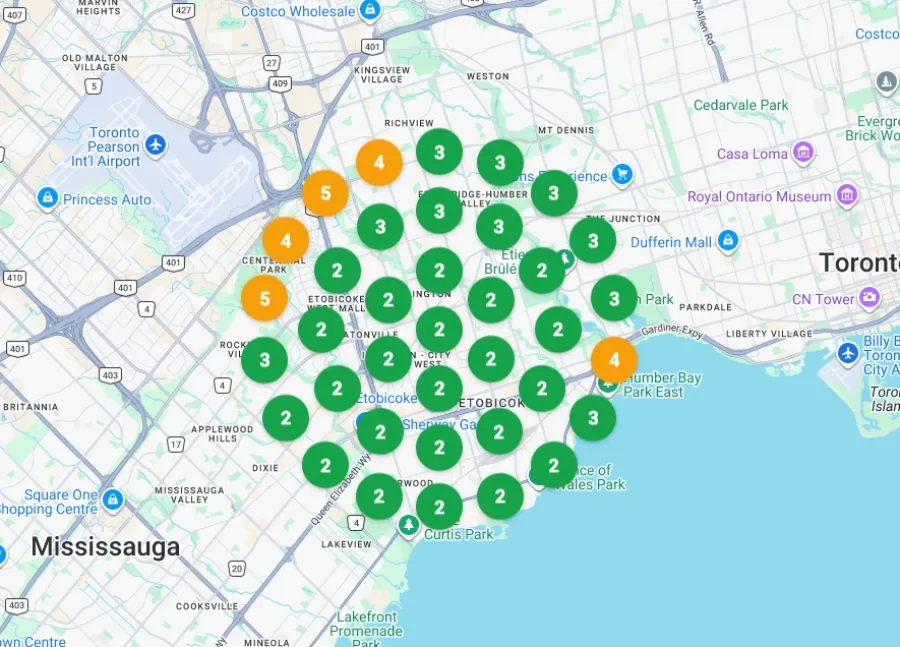
Google Maps ranking is where local money is won. We manage the profile weekly, build the signals Google actually reads, and show you the movement on a geo-grid scanned from dozens of points across your service area.
 1974141041494178415741710316103189320931683179219821710215731883208219921672187214722092157219831910315821872161021793187317731983169318941610414104197414104
Profile management for single locations, service-area businesses and multi-location brands
Results first
Live client dashboards, not mockups. Every figure below comes from the client's own Google Business Profile insights, which is where we report from and where you can check it yourself.
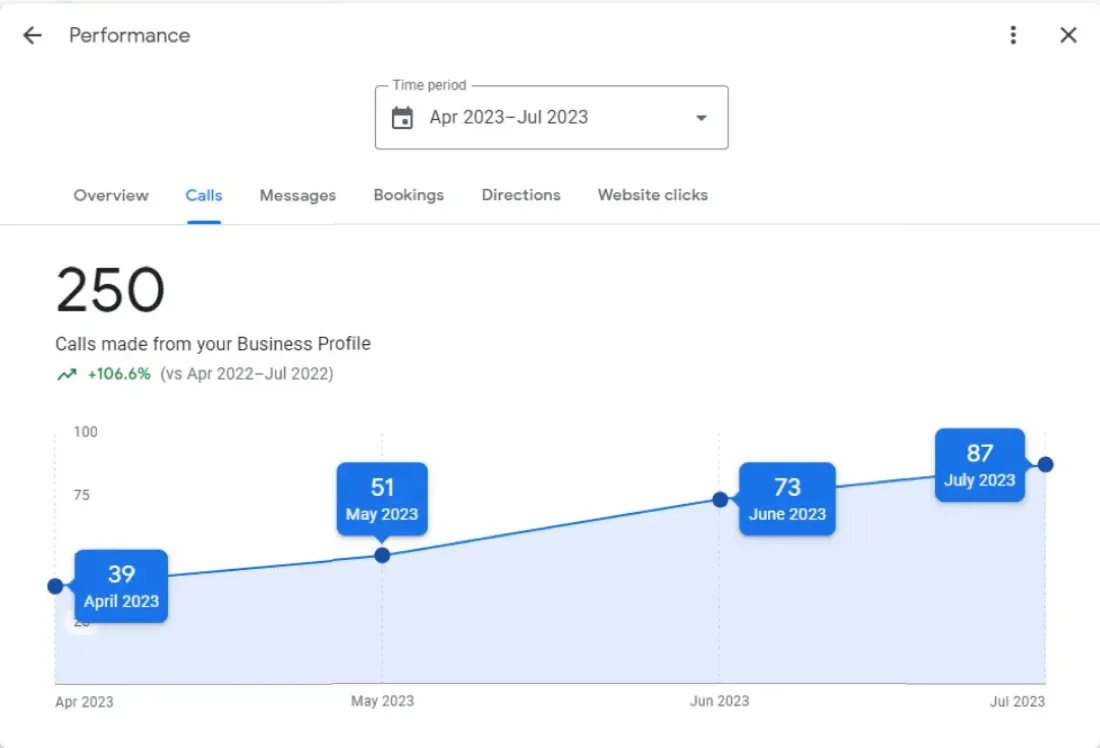
Calls made straight from the profile, the number owners actually feel.
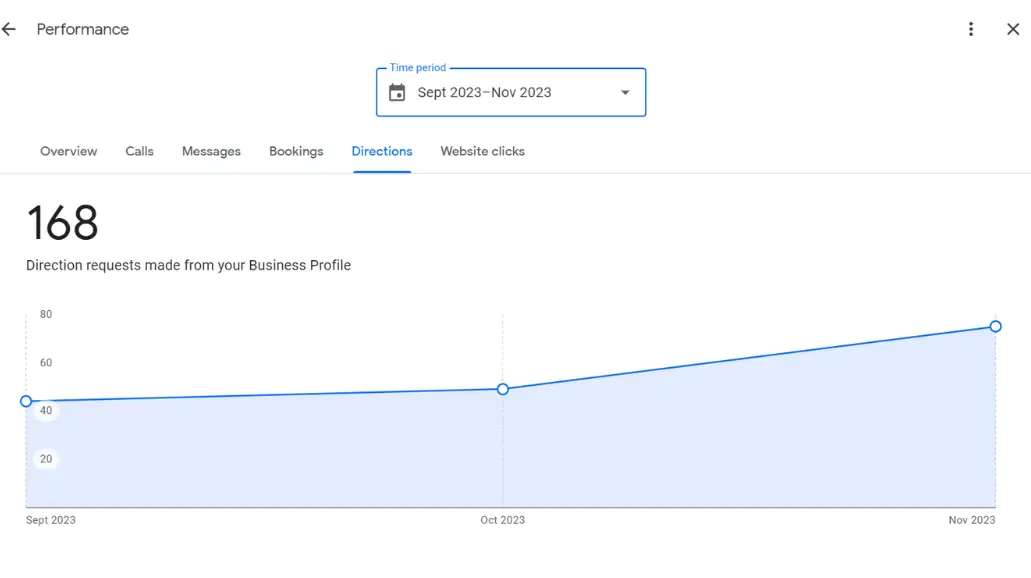
Direction requests climbing, the clearest signal for anywhere people visit.
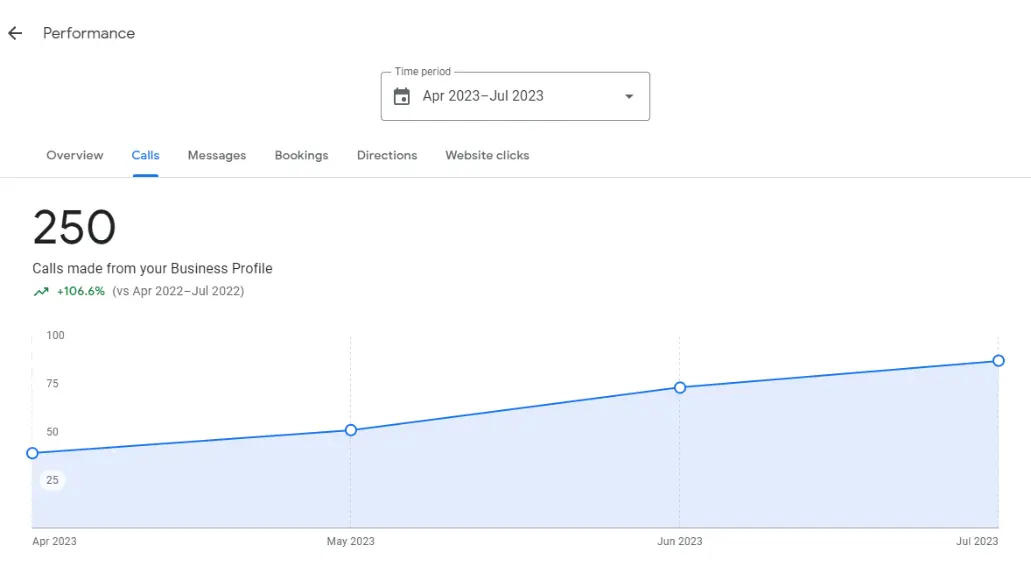
Same profile, same business, twelve months of compounding.
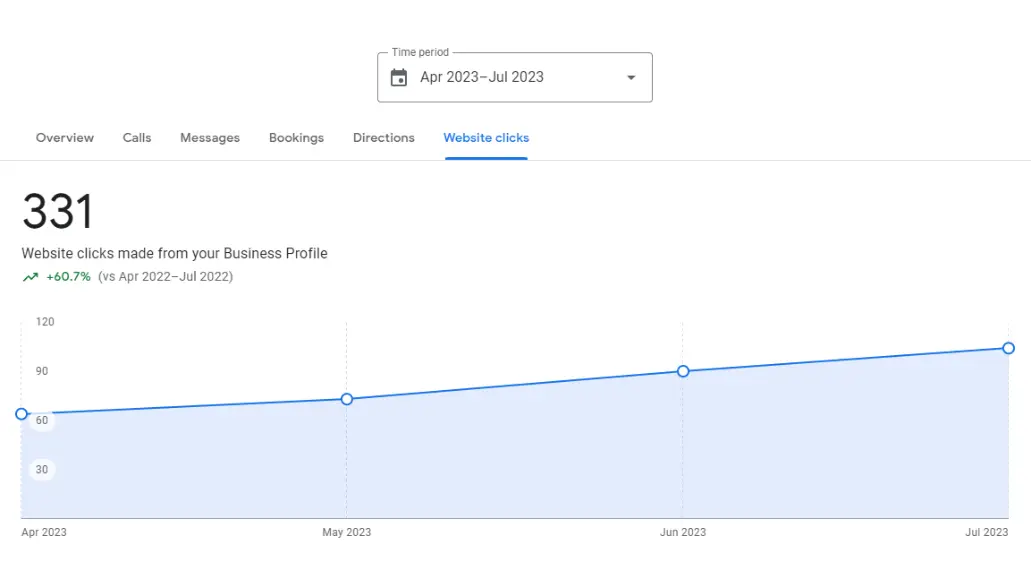
Tracked separately from organic search, so you can see what maps contributed.
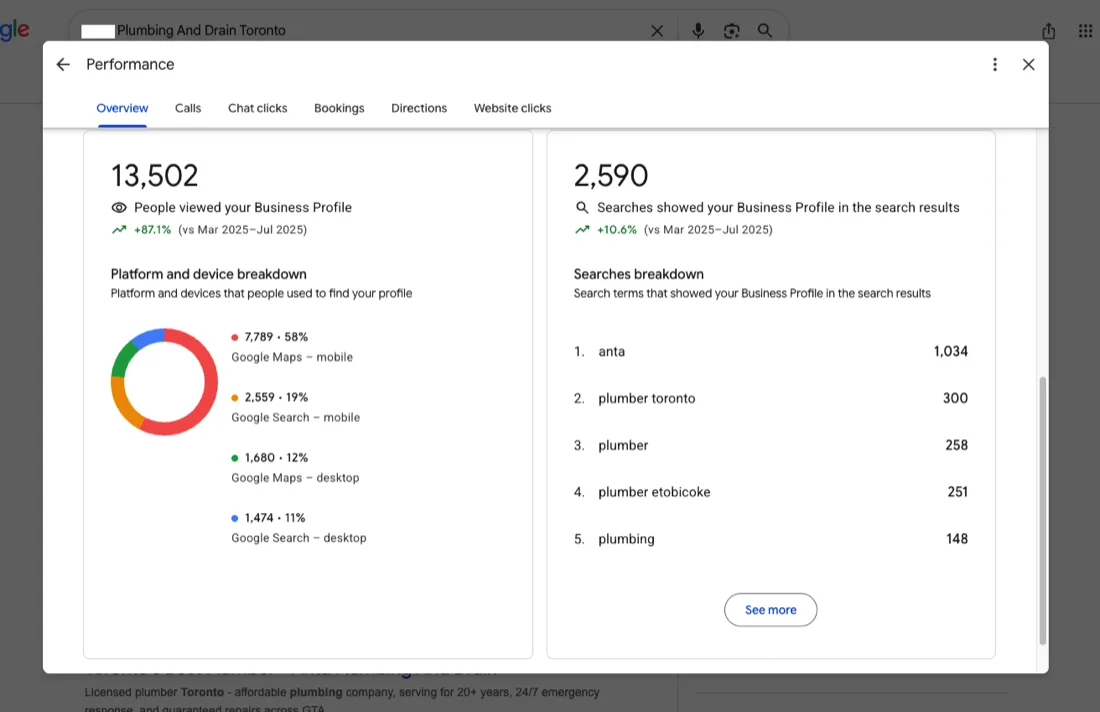
Discovery views: people who found the business without searching its name.
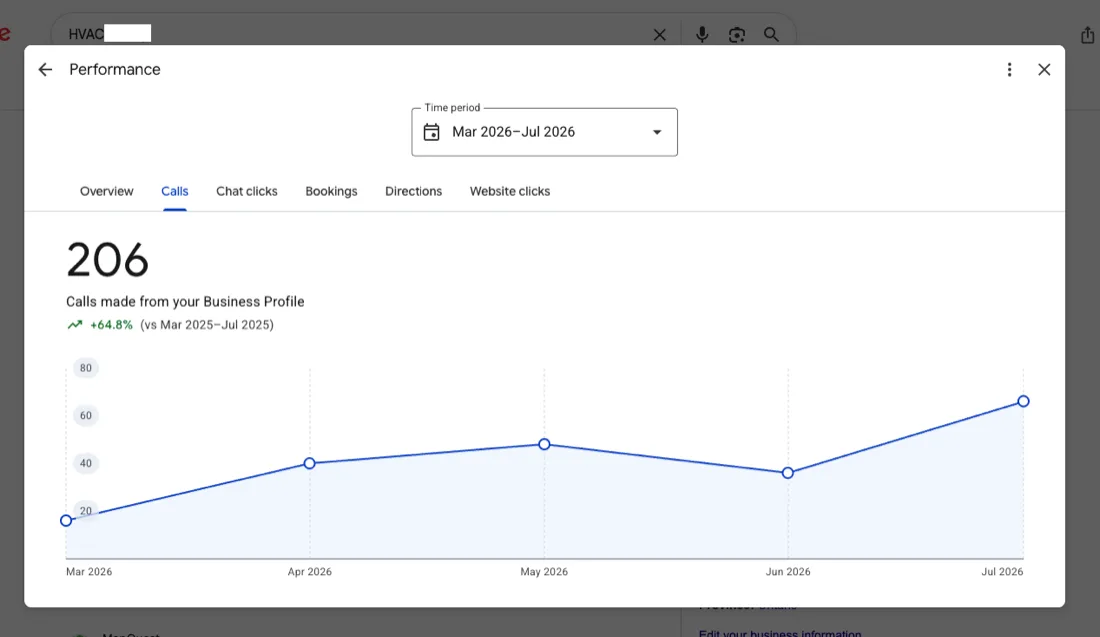
A home services profile after category, service and review work landed.
More of the same on our SEO portfolio and client reviews pages.
On camera
Clients describing what changed, and a campaign walked through end to end. No script, filmed after the results landed.
An appliance repair company went from invisible to ranking across its whole service area.
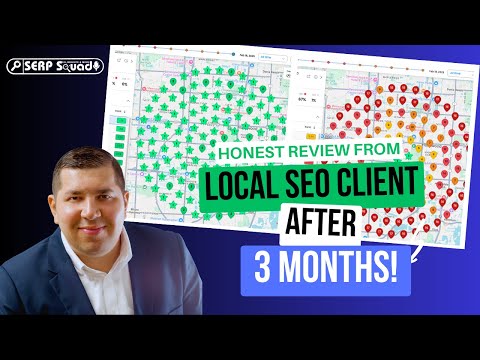
A medical clinic's local visibility transformed after our SEO work took over.
Measured, not estimated
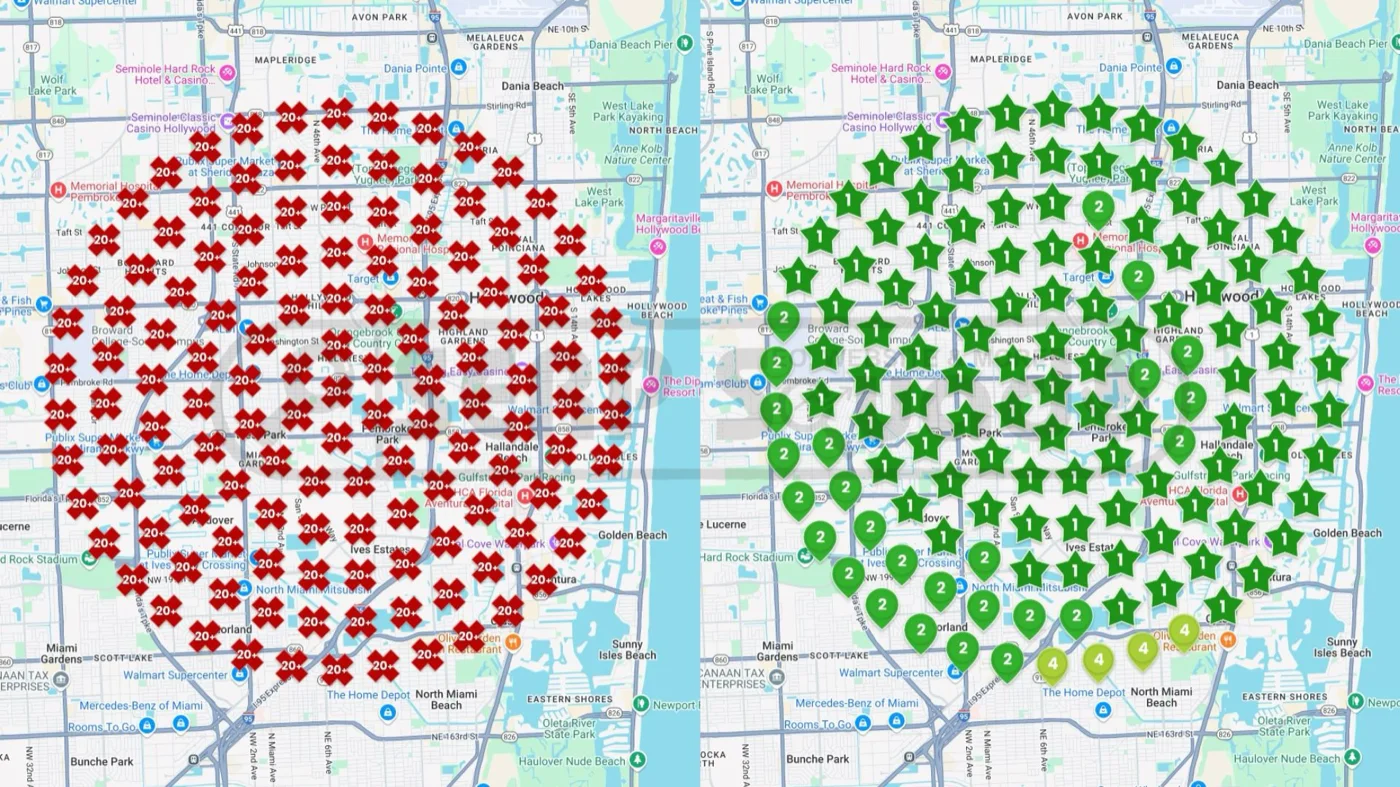
A single rank check is close to meaningless on maps. Google answers by where the searcher stands, so one address can sit third at home and eleventh a suburb away. Every campaign is reported on a geo-grid instead: the same points, scanned every month, so Google Maps ranking movement is comparable rather than anecdotal.
Average Rank Position and SoLV are on every report. Those two numbers tell you whether gbp seo work is actually widening your catchment or just polishing the pin you already own.
The work itself
Short version of a long checklist. Google business optimization is unglamorous and repetitive, which is exactly why so few profiles are done properly.
The single heaviest lever in the profile. We test the primary against what ranking competitors use, not against what sounds right.
Every service listed and described. Empty service lists are the most common gap we find on audits.
Real premises, team and job photos on a schedule. Stock imagery does nothing for you here.
Volume, recency, rating and response rate all feed the ranking and the click decision.
Weekly posts keep the profile active and give returning searchers a reason to tap.
The questions you want answered, answered by you, before a competitor answers them for you.
Wrong hours end an enquiry instantly. Attributes decide several filtered searches.
Matching name, address and phone across the directories your industry is indexed in.
Which one are you?
Two shapes of local business, two different jobs for the profile. The fields that win a plumber more calls are not the fields that get a clinic more walk-ins.
Plumbers · electricians · HVAC · locksmiths · cleaners · mobile mechanics · towing
You go to them, so there is no shopfront to rank. The address must be hidden or the listing risks suspension, and the service area has to be drawn where you genuinely work. Relevance comes from categories, a complete service list and real pages for each area you cover.
The metric that matters: calls and form fills.
Clinics · dentists · salons · restaurants · retail · gyms · showrooms · workshops
They come to you, so the profile has to win the walk-in. Direction requests are the footfall number, hours decide whether you survive the "open now" filter, and every blank attribute is a filtered search you cannot appear in.
The metric that matters: direction requests and discovery views.
Buyer beware
Profile work attracts a particular kind of sharp practice. These are the things to check for.
The most common scam is the simplest: a retainer collected every month with no work log and no report. If an agency cannot show you exactly what was done in the last 30 days, the honest answer is usually nothing.
Some agencies register your domain, own your hosting and keep your logins, then the site vanishes if you stop paying. Your domain, website and Google Business Profile must be owned by you, always.
Hundreds of auto-generated blog posts feel like activity, but unedited AI content nobody reads produces no leads and can drag the whole site down. Volume is not a strategy; content only counts when it answers real searches.
Nobody controls Google's results, and Google itself says ranking guarantees are the mark of a scam. Real agencies show evidence and timelines; fake ones sell certainty they cannot deliver.
A 12-month contract exists so an agency gets paid whether it performs or not. If the results were real, the contract would not need to trap you, which is why we do not use one.
Thousand-link packages from link farms and PBNs look like progress until Google catches the network, and it is your site that takes the manual action. Recovering costs more than the links ever did.
Ask any agency, us included, for three things before you pay: a sample monthly report, written confirmation that you own your domain, website, hosting and Google Business Profile, and the work log from a current client's last 30 days. We show all three in your free audit call, plus reviews you can verify on Google and Trustpilot. An agency that hesitates on any of them has answered your question.
By industry
Categories, review patterns, seasonality and what counts as a lead all differ by industry. Each playbook below covers the profile work specific to that industry.
Not listed? The profile work is the same shape in most service categories. Ask about your industry.
Worth knowing before you buy
The nine things that decide whether a profile campaign works. Open any one.
Three factors decide every map result. Proximity is where the searcher stands and you cannot change it. Relevance is categories, services and content. Prominence is reviews, citations, links and brand searches. The whole job is widening the radius at which the last two beat somebody who simply happens to be closer.
Hide the address or risk suspension. Keep the service area inside a realistic drive time, because claiming a whole county dilutes relevance without extending reach. Primary category must match your money service exactly, the service list carries more weight than it does for shops, and each priority town needs a page that is genuinely about working there.
Direction requests are the closest thing to a footfall metric Google publishes. The discovery-versus-direct split tells you whether profile work is creating new demand or just catching your existing reputation. Wrong hours remove you from "open now" entirely, and every unfilled attribute is a filter you cannot appear in.
Ten profiles fail in ways one never does: duplicate listings, shared phone numbers, overlapping service areas cannibalising each other, one bad review average dragging the brand. Governed templates for categories and posts, per-location content that is actually different, and a review system that runs per branch rather than centrally.
Google My Business became Google Business Profile in 2021 and the standalone app was retired. Same fields, same ranking factors, now managed from Search and Maps directly. The phrase persists in search volume, so the work behind it is unchanged even though the product name is not.
The profile is the single highest-leverage asset in local search, and it is not the whole campaign. It ranks far better with a real website, real citations and real reviews behind it. We do not sell profile management on its own to a business with no site, because it would underperform and you would rightly blame us.
Google carries the volume, but Apple Maps and Bing Places send real customers and feed the assistants people ask instead of searching. Each gets claimed, completed and monitored for the unrequested edits both platforms apply from user suggestions and third-party data. An unwatched listing quietly drifts.
Ask for a live geo-grid report with the metro visible. Ask which Google account owns the profile and insist it is yours. Ask what transfers if you leave. A single lucky rank check is easy to screenshot; a grid scanned from dozens of points is not, which is why we lead with it.
Priced on category competitiveness, metro and location count, not from a package chart. A month is weekly posts and photos, review requests and replies, Q&A monitoring, category and service testing, citation upkeep, listing checks across Google, Apple and Bing, a geo-grid scan, and a work log of everything done. Can also run on pay for performance.
Where this connects
The profile ranks better when the rest is in place. These are the services it usually runs alongside.
Performance pricing
Every campaign on this page can be run on pay for Google search ranking where the numbers support it. You pay per qualified lead, or a percentage of the work those leads turn into, counted from call tracking and form attribution in accounts registered to you.
Inside the profile
Most profiles are half-filled and never touched again. These are the fields and signals that actually move a business up the map, and the ones that get it suspended.
Your name address phone details have to match across every listing, letter for letter. A duplicate listing with an old number splits your signals and sends calls somewhere you cannot answer them.
The primary category does most of the ranking work; each secondary category widens what you can appear for without diluting it. Choosing them from what competitors in the map pack use beats guessing.
The products and services sections are indexable space most businesses leave empty. Each entry is a chance to match a search the category alone would never reach.
Insights separate people who searched your name from people who searched what you do. Growth in discovery searches is the number that proves the profile is reaching new customers rather than existing ones.
Direction requests show where customers physically are when they find you, which maps your real proximity radius. It is the honest answer to how far your rankings actually travel.
Without a UTM parameter on the profile link, every visit it sends is filed as direct traffic and the profile gets no credit. One setting, and the reporting finally shows what the profile is worth.
Keyword-stuffed names, a virtual office address, or a sudden category change are the common causes of a listing suspension. Reinstatement is slow and never guaranteed, so the work stays inside the rules.
Review velocity and review response both feed prominence. Review gating, where only happy customers get asked, breaks Google's policy and risks everything the profile has earned.
Map pack movement commonly shows within 60 to 90 days, and the geo-grid usually shows green spreading outward from your address before the average rank number moves much. Dense metros take longer than smaller markets, and you get an honest timeline before committing.
Local SEO is the whole campaign: site, content, citations, links and the profile. GBP SEO is the profile portion of it. The profile is the highest-leverage single asset, which is why it has its own page, but it works far better with the rest behind it. Our local SEO service covers the full scope.
No, and nobody honestly can. Rankings depend on proximity, which nobody controls, and on competitors who are also working. What we do commit to is measurement you can audit: the same geo-grid every month, so progress or the lack of it is visible.
You do. The listing stays in your own Google account with us added as a manager. If you leave, you remove our access and nothing changes about your ownership.
Yes, both are included. They carry less volume than Google but they feed the assistants and, for some categories, they convert unusually well.
Often. Suspensions usually trace to an address issue, a category or name that breaks the guidelines, or an edit history that looks manipulative. We audit the cause first, because appealing without fixing the trigger usually fails and burns an appeal.
Volume, rating, recency and your response rate all feed prominence, and they change the click decision even when they do not change the position. Reviews are requested systematically rather than whenever somebody remembers.
A geo-grid scan with ARP and SoLV, calls, direction requests, website clicks and discovery views from the profile, plus a work log of everything done that month, including anything that did not work.
Fresh from the desk
What we publish between campaigns. Worth a read if you want to understand how this work actually gets done before you pay anyone to do it.
Send your business name and the area you cover. You get a geo-grid scan of your current map positions, the categories your ranking competitors use, and the three fixes we would make first.