
Case study · E-commerce
300% organic traffic in 4 months
A Shopify store went from page 3 to category leader with technical and content SEO.
300%organic traffic
4 motime to result
52+page-1 keywords
 For AgenciesWe run SEO fulfillment under your brand, clients stay yours, hassle stays ours.Explore White Label SEO →
Your buyers google their problem, then the category, then you versus the competitor. We build pages for every one of those moments, starting with the bottom of the funnel where a single ranked page pays for the whole engagement.
Why SaaS teams buy this
The math every founder eventually runs:
Paid signups cost the same forever. A ranked comparison page produces signups monthly at zero marginal cost, and the gap widens every quarter.
Alternative and versus searches have low volume and huge intent. Competitors ignore them because dashboards undercount their value. That is your opening.
Help content ranks for problem searches, deflects tickets and reassures evaluators, three returns from one asset.
Funnel-ordered execution, bottom first:
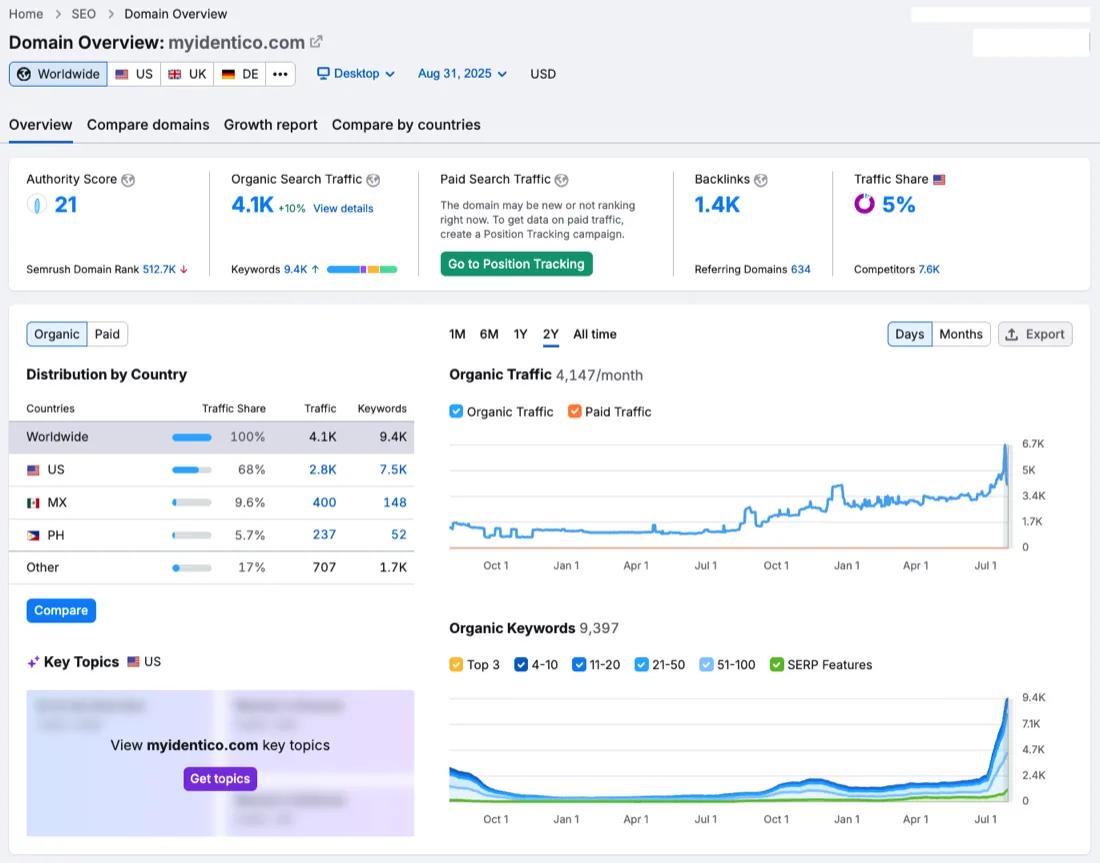
Proof, not promises
The compounding channel, demonstrated. Watch more on our video reviews page and YouTube channel.
A Shopify store went from page 3 to category leader with technical and content SEO.

A service business owner on what changed after SERP Squad took over.
★★★★★“Finally an SEO team that reports on leads, not just rankings.”
The first 90 days
Bottom of funnel first, because that is where the signups are:
Every comparison, alternative and pricing search in your category sized, competitor pages torn down, briefs written.
Comparison and alternative pages published, signup attribution wired, docs structure reviewed.
Decision pages start ranking and converting, use-case pages enter production.
Content extends up the funnel while decision pages compound into your cheapest signup channel.
Transparent reporting
SaaS reporting means signups traced to pages, nothing softer:
Trials and signups attributed to organic pages, monthly, the metric your board actually respects.
Comparison, alternative and pricing keywords with positions and their converting pages.
Pages shipped and briefs in production this month, mapped to their funnel stage and target signups.
What works now
Your buyers evaluate software across every surface. These six channels decide whether they find you or a competitor, and the campaign runs them together.

Comparison and use-case pages ranking organically are the cheapest signups you will ever buy: decision-stage positions that compound while CAC climbs.

Enterprise evaluations run on corporate desktops, where Bing holds share and feeds Copilot. Indexed, structured docs and pages win those evaluations.

A physical HQ on Apple Business Connect anchors credibility for enterprise buyers, candidates and investors checking you are real.


Buyers ask AI which tools solve their problem. Structured data, comparison content and citations decide whether your product gets mentioned.


Buyers check your momentum on LinkedIn and X before trials. Consistent shipping updates reinforce every ranking with proof of life.

Product demos rank on YouTube for category searches, qualify buyers before sales ever talks to them and feed AI answers about your space.
Every one of these channels is part of our SEO services; your audit shows which will move first for you.
Honest comparisons
Every SaaS budget review weighs these three. The honest math:
Paid CAC rises as competitors bid your category up. Decision-stage rankings are the only channel whose acquisition cost falls with scale, which is why mature SaaS books lean organic.
Cold outbound fights the void; outbound into accounts that already found your comparison pages closes at multiples. Rankings make every SDR hour heavier.
GEO, being cited when buyers ask which tools solve a problem, is not a rival discipline. Generative engines lean on the same authority, structure and entity signals strong SEO builds. Docs and structured comparisons are exactly what AI cites.
Service areas
Strategy tuned to how people search in each market. See every market on our service locations page.
Only pay for what it produces
Where there is genuine search demand and a site that converts, this work can be priced as pay for performance SEO services instead of a retainer, so what you pay follows what the campaign produced.
Buyer beware
SaaS marketing attracts sophisticated-sounding versions of the same scams. Patterns your metrics will eventually expose:
The most common scam is the simplest: a retainer collected every month with no work log and no report. If an agency cannot show you exactly what was done in the last 30 days, the honest answer is usually nothing.
Some agencies register your domain, own your hosting and keep your logins, then the site vanishes if you stop paying. Your domain, website and Google Business Profile must be owned by you, always.
Hundreds of auto-generated blog posts feel like activity, but unedited AI content nobody reads produces no leads and can drag the whole site down. Volume is not a strategy; content only counts when it answers real searches.
Nobody controls Google's results, and Google itself says ranking guarantees are the mark of a scam. Real agencies show evidence and timelines; fake ones sell certainty they cannot deliver.
A 12-month contract exists so an agency gets paid whether it performs or not. If the results were real, the contract would not need to trap you, which is why we do not use one.
Thousand-link packages from link farms and PBNs look like progress until Google catches the network, and it is your site that takes the manual action. Recovering costs more than the links ever did.
Ask any agency, us included, for three things before you pay: a sample monthly report, written confirmation that you own your domain, website, hosting and Google Business Profile, and the work log from a current client's last 30 days. We show all three in your free audit call, plus reviews you can verify on Google and Trustpilot. An agency that hesitates on any of them has answered your question.
SaaS buyers research in stages, so the winning strategy covers every stage: problem content, comparison and alternative pages at the decision point, and docs that keep ranking after signup. Revenue attribution matters more than traffic.
Pages targeting searches like your competitor plus alternative, or you versus competitor. They catch buyers at the exact moment of choosing and convert far above average. Most SaaS companies either skip them or write them lazily.
It is usually the cheapest compounding channel a SaaS has. One ranked bottom-funnel page can outproduce a paid campaign every month, without the ad spend.
Yes, and it is underrated. Docs rank for high-intent problem searches, retain users and feed AI answers about your product. We structure them for search without compromising their job as documentation.
When you have the authority to support it, integration and template pages are excellent programmatic targets. We build them with real per-page value, thin programmatic pages are how SaaS sites get suppressed, and we will tell you if it is too early.
Fresh from the desk
What we publish between campaigns. Worth a read if you want to understand how this work actually gets done before you pay anyone to do it.
Your audit maps every comparison and alternative search in your category, who ranks for them now, and the page plan to take them.