
Case study · E-commerce
300% organic traffic in 4 months
A Shopify store went from page 3 to category leader with technical and content SEO.
300%organic traffic
4 motime to result
52+page-1 keywords
 For AgenciesWe run SEO fulfillment under your brand, clients stay yours, hassle stays ours.Explore White Label SEO →
Consumers decide in seconds on a phone. Winning B2C search means owning category keywords, planning for seasonal waves before they crest, and showing stars in the results so the click chooses you.
Why consumer brands buy this
Three levers that matter more in B2C than anywhere else:
Review stars, prices and images in the listing decide the click before your page loads. Structured data puts them there; most competitors never add it.
Valentine pages rank in February because they were built in November. We run your niche's calendar so every wave finds you ready.
A slow tap-to-call or buried price loses the sale in seconds. Conversion is part of the SEO work, not an afterthought.
Volume, timing and conversion, managed together:
Proof, not promises
Volume turned into customers, documented. The full set lives on our client reviews page and YouTube channel.
A Shopify store went from page 3 to category leader with technical and content SEO.
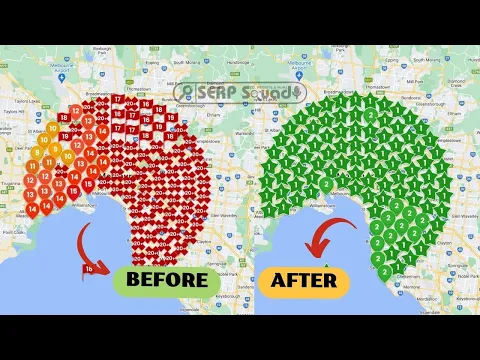
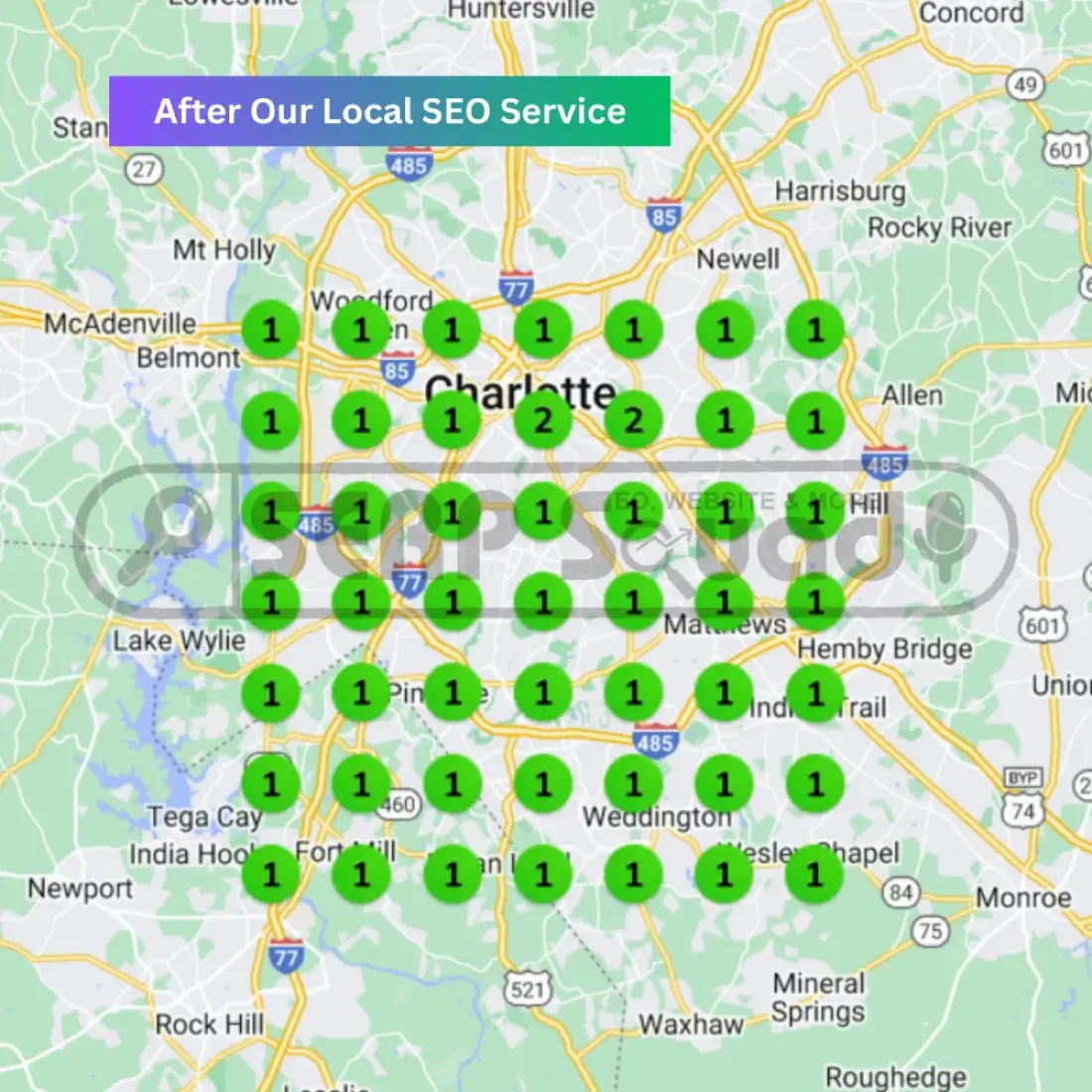
An appliance repair company went from invisible to ranking across its whole service area.
★★★★★“From invisible to the map pack in one season.”
Industries we serve
Consumer categories we already know the calendar for.
The first 90 days
Volume keywords need runway, so the calendar starts immediately:
Volume keywords mapped, seasonal waves charted, schema for rich results deployed.
Category pages optimized for mobile buying, review stars appearing in results.
Rich results win clicks, category keywords move, seasonal pages age toward their windows.
Every demand wave met by ranked pages, with conversion tested and tuned continuously.
Transparent reporting
Consumer reporting reads results against the season, honestly:
Volume keywords with positions plus which listings show stars and prices in results.
Visits and conversions against the demand curve, so a quiet month is read correctly.
Pages, schema and seasonal content shipped this month, aligned to the calendar.
What works now
Consumers move between search, maps, feeds and AI in a single buying moment. These six channels decide which brand they meet, and we run them together.

Category pages ranking organically catch consumer demand at scale, wave after seasonal wave, without re-buying the click every time.

Bing reaches older and desktop-heavy consumer segments and feeds Copilot. Proper indexing captures demand your competitors leave unclaimed.

Consumer brands with stores keep every location on the default iPhone map through Apple Business Connect, feeding foot traffic.


Consumers ask AI what to buy. Review markup, product schema and citable content decide which brands the assistants suggest.


Consumer decisions form in feeds. A consistent branded presence converts the social check that follows every search.

Product and review videos rank in YouTube search at the exact moment of consumer decision, converting and feeding AI answers.
Every one of these channels is part of our SEO services; your audit shows which will move first for you.
Honest comparisons
Consumer marketing budgets weigh these three. Honestly:
Paid social interrupts people not shopping; search captures them mid-decision. Awareness spend without ranked capture donates demand to whoever ranks.
Marketplaces convert your category demand under their brand. Ranked category and buying-guide pages keep the customer, the data and the margin.
GEO, being cited when consumers ask what to buy, is not a rival discipline. Generative engines lean on the same authority, structure and entity signals strong SEO builds. Review and product markup feed shopping answers.
Service areas
Strategy tuned to how people search in each market. See every market on our service locations page.
Risk on our side
We will also say plainly when performance pricing is the wrong fit, which is roughly as often as it is the right one. The pay per performance SEO page sets out who it suits and who it does not.
Buyer beware
Consumer brands get sold reach theater: impressions dashboards over revenue. The patterns behind them:
The most common scam is the simplest: a retainer collected every month with no work log and no report. If an agency cannot show you exactly what was done in the last 30 days, the honest answer is usually nothing.
Some agencies register your domain, own your hosting and keep your logins, then the site vanishes if you stop paying. Your domain, website and Google Business Profile must be owned by you, always.
Hundreds of auto-generated blog posts feel like activity, but unedited AI content nobody reads produces no leads and can drag the whole site down. Volume is not a strategy; content only counts when it answers real searches.
Nobody controls Google's results, and Google itself says ranking guarantees are the mark of a scam. Real agencies show evidence and timelines; fake ones sell certainty they cannot deliver.
A 12-month contract exists so an agency gets paid whether it performs or not. If the results were real, the contract would not need to trap you, which is why we do not use one.
Thousand-link packages from link farms and PBNs look like progress until Google catches the network, and it is your site that takes the manual action. Recovering costs more than the links ever did.
Ask any agency, us included, for three things before you pay: a sample monthly report, written confirmation that you own your domain, website, hosting and Google Business Profile, and the work log from a current client's last 30 days. We show all three in your free audit call, plus reviews you can verify on Google and Trustpilot. An agency that hesitates on any of them has answered your question.
Volume with intent: category and near-me searches, seasonal peaks planned months ahead, review-rich results that win the click, and pages that convert on the first mobile visit.
Critical. B2C demand moves in waves: holidays, weather, paydays. Pages built and refreshed on the seasonal calendar catch the wave; pages built during it miss the year.
Consumer niches often move faster than B2B: 60 to 90 days to first movement, with seasonal spikes amplifying whatever position you hold when the wave hits.
By picking fights you can win. Some consumer keywords are marketplace-locked; many buying-guide, comparison and local-intent searches are not. The keyword map marks which is which so budget only goes where a brand site can actually rank.
Strongly. Review volume and markup earn the stars that lift click-through, and review content feeds both rankings and AI answers. A review-generation cadence is part of every B2C campaign.
Fresh from the desk
What we publish between campaigns. Worth a read if you want to understand how this work actually gets done before you pay anyone to do it.
Your audit maps the volume keywords you can win, your niche's seasonal waves, and whether your results show the stars that win clicks.
