The starting point
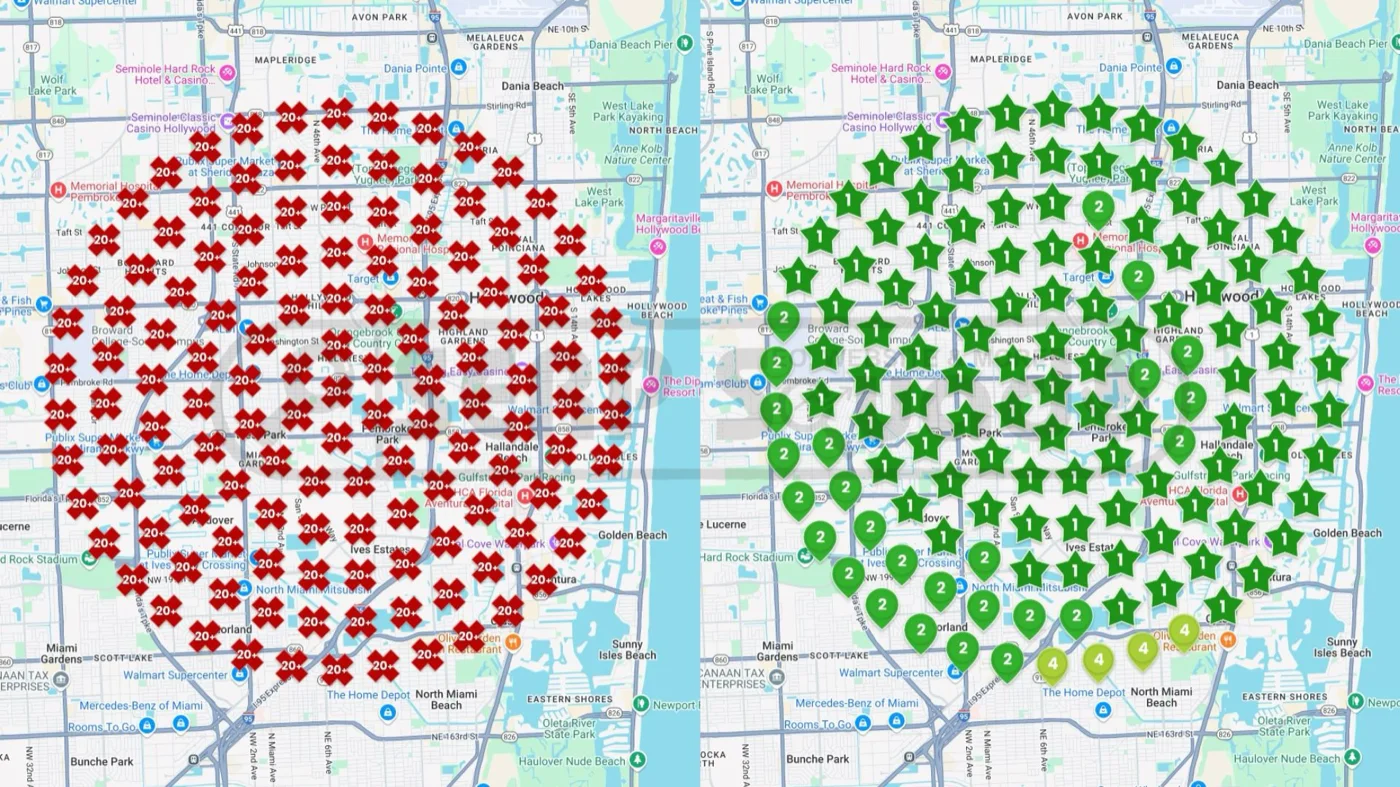
The store was selling, but almost none of it came from search. Its category pages sat on page 3 of Google, which is the same as not being listed. Growth depended on paid ads, and ad costs rise every quarter while the customer is rented rather than owned.
Shopify adds its own problems on top. Collection URL parameters create duplicate versions of the same page, product descriptions tend to be thin, schema is often missing, and themes are slow on real phones. None of that is visible to the owner, and all of it holds rankings down.
What we changed
The campaign followed the 90-day sequence we use for every Shopify SEO engagement, in a fixed order. Technical faults came first, because content cannot rank on a site Google struggles to crawl. Collections came second, because collection pages are where buying searches land. Content came third, to support those collections rather than to fill a blog.
What happened
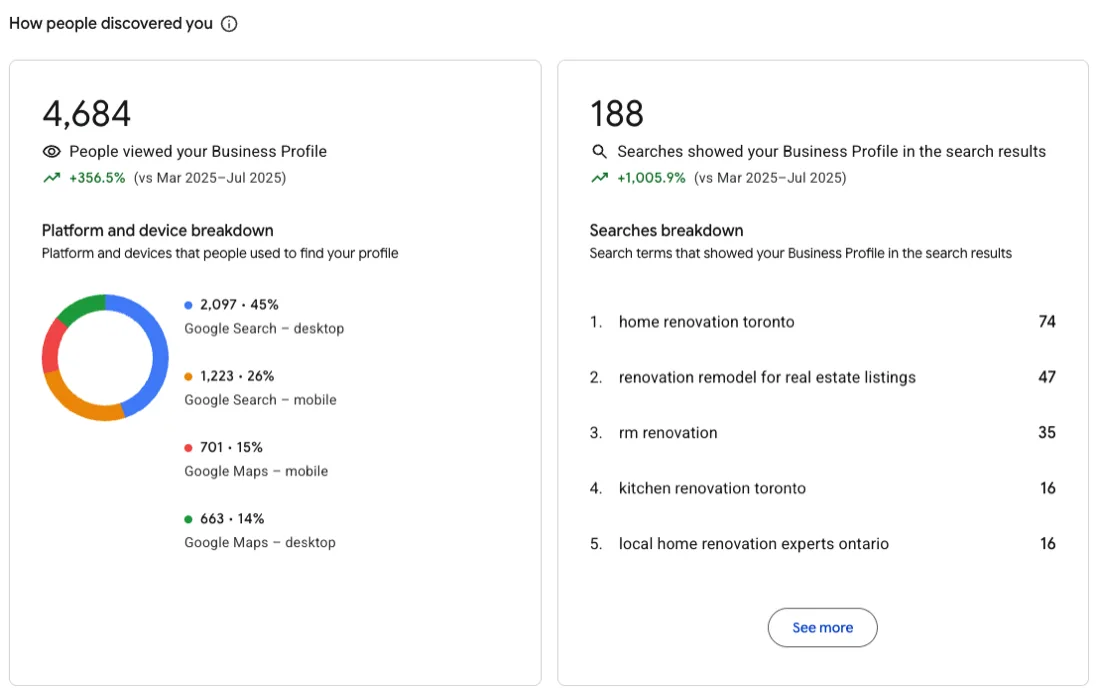
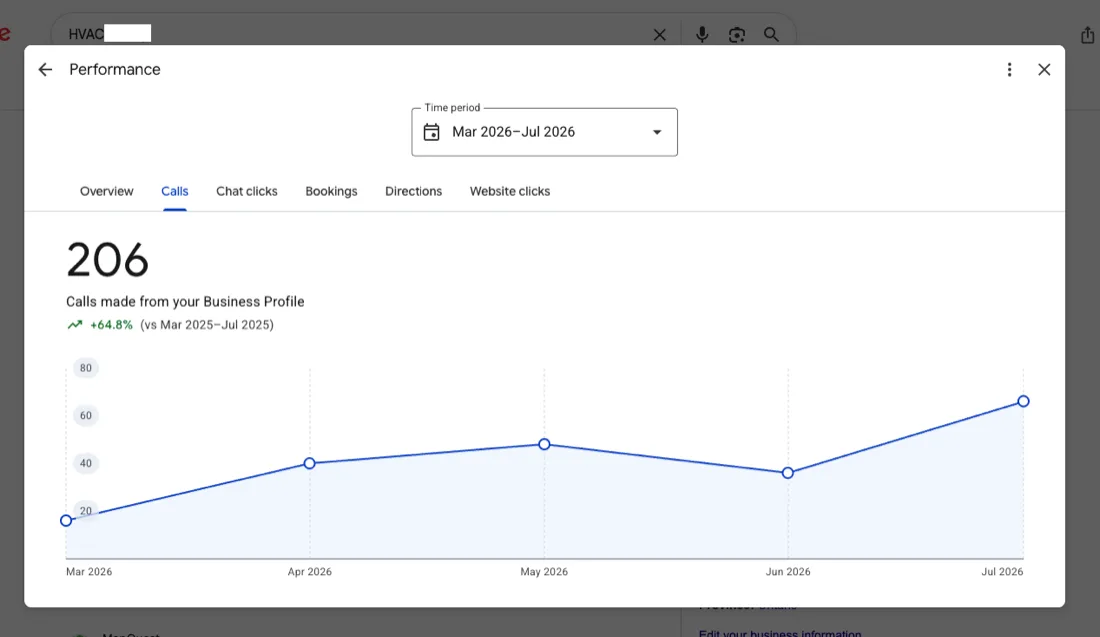
Organic traffic grew 300% in four months. The store went from page 3 to leading its category, with more than 52 keywords on page one. The client explains the result in their own words in the video on this page.
Why it matters for a store like yours
A ranked collection page sells every day with no cost per click, and the orders it brings carry full margin. Ads are still the right tool for a launch. Search is what carries the catalog afterwards, and four months is a realistic horizon for a store whose main problem is structure rather than demand.
How the campaign ran
Days 1 to 30: technical cleanup
Duplicate URLs canonicalized, collection structure fixed, product schema deployed, and speed measured on real phones.
Days 31 to 60: collections armed
Money collections rewritten around buying keywords, product templates optimized, and the first content pieces published.
Days 61 to 90: traffic turns
Collection keywords enter page one and organic sessions begin to climb.
Month four: compounding
With the structure fixed, new rankings stack on the old ones, which is how the store reached 300% and more than 52 page-one keywords.
Documented by Saifur Rifat, Founder & SEO Lead at SERP Squad.